
How to Choose Tile Grout
Author: MDC Tiles
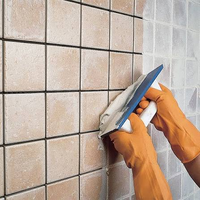

Bring your tile scheme together with practical advice on grout colours, cement-based and epoxy options, joint widths and care. Compare grout colours and types, understand joint widths and coordinate your finishing details with advice from MDC Tiles in Miranda.
MDC TILES BUYING GUIDES
The finishing detail that brings your tiles together
Grout might seem like a small decision, but it has a big influence on the finished look. A close colour match can soften the joints, while a contrasting shade makes the tile shape and layout stand out.
There is a practical side too. The right grout needs to suit your tiles, joint width and location, from a kitchen splashback to a shower or outdoor area. This guide will help you compare colour and product options, then confirm the details with your tiler before installation.
Start with the look you want
Matching grout for a gentle finish
A grout colour close to the tile creates a quieter, more connected surface. White with white tiles, warm beige with sandy tones and soft grey with grey tiles can help the joints blend into the design. This is a lovely starting point when you want the tile's colour or texture to lead.
Contrasting grout to highlight the shape
A stronger contrast outlines each tile and brings the laying pattern forward. Think white subway tiles with grey grout or pale mosaics with a deeper shade. The effect becomes more noticeable where there are lots of joints, so compare a small arrangement before committing.
Tonal grout for a balanced result
A shade slightly lighter or darker than the tile can add definition without creating a bold grid. With patterned tiles, try a grout that picks up a quieter colour within the design. With veined or varied tiles, consider the overall background tone rather than matching one small detail.
Compare physical samples alongside your tiles
Use a grout colour sample with the actual tile, cabinetry, benchtop or nearby flooring. Check the combination in the room's lighting. Colour charts and screen images are useful starting points, but they cannot show every difference in texture or light.
The finished grout appearance can be affected by the product, installation and curing conditions. Ask your tiler about a test panel if the colour match is important or you are considering a strong contrast. Record the exact brand, product and colour code, as similarly named colours from different ranges may not match.
Understand cement-based and epoxy grout
Cement-based grout
Cement-based grouts are widely used for residential tiling and come in a range of colours and performance levels. Some formulations offer features such as reduced water absorption or improved stain resistance. Check the specific product's technical information for the tile, joint width and area.
Discuss cleaning and any recommended sealing with your installer. Follow the manufacturer's mixing and application instructions, including water quantities and curing times. Performance varies by product; the material name alone does not tell the whole story.
Epoxy grout
Epoxy grout is worth considering where stain resistance and cleaning are priorities. It can suit residential projects as well as commercial work, provided the chosen product is suitable for the tile and location. Products such as Litokol Starlike Pro offer stain-resistant performance and a broad colour selection.
Epoxy has its own mixing, working-time and cleaning requirements. Discuss the installation method and cost with a tiler familiar with the selected product. Check compatibility first for natural stone, absorbent surfaces and delicate finishes.
Explore grout ranges at MDC Tiles
- Mapei grouts and silicones: explore grout options and coordinating sealants.
- Kerakoll Fugabella Color: compare colours for your tile palette and check the product details for your project.
- Litokol Starlike Pro: explore decorative epoxy grout colours for a considered finish.
Our team can help narrow down the colour options. Have your tiler confirm the final product against the technical requirements of your installation.
Confirm joint width before buying
Joint width affects both the appearance and the amount of grout required. Tile size variation, edge shape, layout and the installation specification all play a part. Rectified edges do not mean tiles can be laid without grout joints.
Ask your tiler to confirm the joint width and choose a grout approved for that width. Mosaics, handmade-look tiles and irregular edges may need different considerations from a large-format floor. Avoid changing joint width purely to achieve a particular look without checking the tile and installation requirements.
Plan grout and flexible sealant together
Grout and silicone have different jobs. Grout fills the specified joints between tiles; flexible sealant or another suitable movement-joint system accommodates movement where required. Your installer should identify those locations and specify a compatible product.
Colour-coordinated sealants can help keep the scheme consistent. Check the sealant's suitability for the adjoining materials, particularly natural stone, and compare samples where possible. Do not use grout as a substitute in joints designed to accommodate movement.
Choose for the area, not just the colour
- Kitchen splashbacks: consider cooking splashes, cleaning and the visual effect of many joints.
- Bathrooms and showers: confirm suitability for the wet area, cleaning routine and required curing time.
- Outdoor areas: check exposure, movement and the complete installation system.
- Swimming pools: confirm approval for immersion, the pool-water conditions and the required time before filling.
- Natural stone and delicate tiles: check for staining or surface damage through a suitable test before grouting.
Even where a grout is described as waterproof, it does not replace the specified waterproofing system beneath the tiles.
Work out quantities and care requirements
Grout consumption depends on tile size and thickness, joint width and depth, and the area being tiled. Small mosaics generally have more joints per square metre than larger tiles, so use the selected manufacturer's coverage calculator or ask your tiler to estimate the quantity.
Follow the product's instructions for mixing, cleaning and curing. Keep the colour and product details for future reference. Clean with products suitable for both the grout and tile; stain resistance does not mean maintenance-free. Ask before applying a sealer or using strong cleaners.
Common grout selection questions
Should grout match the tile?
It depends on the effect you want. A close match gives a softer finish, while contrast highlights the pattern. Compare both options with your tile sample.
Is epoxy grout always the best choice?
It can offer useful performance benefits, but suitability, cost and application requirements still matter. Compare the exact products with your installer.
Will white grout stay white?
Appearance over time depends on the product, use, installation and cleaning. Discuss stain-resistant options and the recommended care routine rather than relying on colour alone.
Does grout need sealing?
Requirements vary. Follow the selected grout manufacturer's advice and check that any sealer is compatible with the tiles.
Let's find the finishing colour for your tiles
Visit MDC Tiles in Miranda for a free interior design consultation. Bring your tile samples and nearby finishes, and our friendly tile & surface design specialists will help you compare grout colours and coordinate the whole palette.
Helping renovators across the Sutherland Shire and Sydney bring bathrooms, kitchens, floors and outdoor spaces together.