
How to Choose Kitchen Splashback Tiles
Author: MDC Tiles
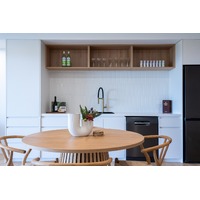

Find your kitchen’s finishing touch with practical advice on splashback tile colours, finishes, layouts and grout.
MDC TILES BUYING GUIDES
Small changes. Big impact.
Your splashback might be a small part of the kitchen, but it can make a big difference to how the whole room feels. It is a lovely opportunity to introduce colour, texture or a favourite tile shape while bringing your cabinetry and benchtop together.
From classic subway tiles to finger mosaics and softly varied glazes, the right choice balances the look you love with everyday practicality. This guide will help you narrow down your options, plan the details and feel confident about your selection.
Visit our Miranda showroom for a free interior design consultation
Start with your cabinetry and benchtop
Bring your cabinet colour, benchtop sample and flooring into the conversation first. If your benchtop has strong veining or a busy pattern, a quieter splashback can give it room to shine. With simple cabinetry and a subtle benchtop, you have more freedom to introduce a colourful glaze, interesting shape or decorative pattern.
Look at the undertones as well as the main colour. Warm white, cream and sandy tiles often sit comfortably beside timber and beige surfaces. Crisp white, grey and deeper colours can work with cooler finishes. Compare physical samples together in your kitchen's daylight and evening lighting before making the final choice.
Explore kitchen splashback tile styles
Subway tiles
A versatile starting point for classic, coastal and contemporary kitchens. Choose a smooth finish for a clean look or a softly varied glaze for more character. The layout can make the same tile feel completely different.
Kit-kat and finger mosaics
Slim shapes introduce rhythm and texture without relying on a bold colour. They pair beautifully with simple cabinetry. Consider the grout colour carefully, as the many joints become part of the design.
Patterned tiles
A decorative splashback can become the kitchen's focal point. Pull one colour from the pattern into your cabinetry or accessories, and keep nearby surfaces simple for a balanced finish.
Love a handcrafted look? Ask our team about tiles with varied glazes and gently irregular surfaces. View several pieces together so you understand the colour variation, edges and overall effect. Always check the individual tile's suitability for your intended splashback.
Choose a finish that suits everyday life
Gloss finishes reflect light and bring colour to life. Reflections and splashes may be more noticeable under some lighting. Matt finishes create a softer appearance, but cleaning performance depends on the particular surface. Compare samples rather than assuming every matt or gloss tile behaves the same way.
Raised, ribbed and heavily textured tiles add depth, though their recesses can take more care to clean. Think about where cooking splashes are likely to land. Natural stone brings beautiful variation but can require sealing and specific cleaning products; ask about the care requirements before choosing it.
Make the layout part of the design
- Brick bond: an offset subway layout with a familiar, relaxed feel.
- Horizontal stack: aligned joints for a simple, contemporary finish.
- Vertical stack: draws the eye upwards and adds a fresh perspective.
- Herringbone: introduces movement and a more detailed feature.
Ask your tiler to plan the starting point, cuts and grout joints before installation. Check how the layout meets corners, power points, windows and the rangehood. A more detailed pattern can involve additional cutting, wastage and labour, so include those costs in your comparison.
Decide on the splashback height and edges
A splashback can sit neatly beneath overhead cupboards, continue around a window or extend up a feature wall. Choose its boundaries alongside the cabinetry and appliance plan so the finished area feels intentional.
Discuss exposed edges, trims, corner details and transitions with your tiler. Behind a cooktop, have your installer confirm the complete wall and splashback system, required clearances and appliance instructions before you finalise the tile. Tiles alone do not establish whether an installation meets those requirements.
Give grout the attention it deserves
A close colour match helps the tiles read as one surface. Contrasting grout highlights the shape and laying pattern. White grout with white tiles creates a gentle look, while a deeper grout can make the same layout more graphic.
Use a grout sample alongside your tile, and ask about a suitable grout for the cooking area and your cleaning routine. Joint width, tile edges and the grout product all affect the result. Your tiler should also specify the appropriate flexible sealant at junctions and movement joints.
Measure and budget before ordering
Measure each section's width and height, calculate its area and add the sections together. For example, a 2.4-metre-wide section that is 0.6 metres high covers 1.44 square metres before allowing for cuts and spare tiles.
Have your tiler confirm the order quantity and wastage allowance for your chosen layout. Include tiles, adhesive, grout, sealant, trims, preparation and labour in the budget. Ask about availability and delivery timing before booking installation, and keep spare tiles from the same batch for future repairs.
Common kitchen splashback questions
Are ceramic or porcelain tiles better for a splashback?
Both can be suitable. The individual product's intended use, finish and care requirements matter more than choosing by material name alone. Our team can help you compare options for your kitchen.
Can I use a small tile in a small kitchen?
Yes. Small tiles can add lovely detail. A restrained palette and closely matched grout can keep the effect gentle, while contrasting grout makes the pattern more prominent.
What splashback works with a busy benchtop?
Start with a simple tile in a colour drawn from the benchtop. A subtle glaze or quiet texture adds interest without introducing another strong pattern.
Can new tiles go over an existing splashback?
Have your tiler assess the existing surface, adhesion, wall condition and added thickness first. Power points, edges and appliance clearances also need consideration before choosing an installation method.
How should I clean splashback tiles?
Follow the tile and grout manufacturers' care instructions. Clean cooking splashes regularly with a suitable cleaner and a soft cloth. Natural stone and specialist finishes may need different products.
Let's bring your kitchen palette together
Visit MDC Tiles in Miranda for a free interior design consultation. Bring your cabinet and benchtop samples, kitchen measurements and a few inspiration photos. Our friendly tile & surface design specialists will help you compare colours, finishes, layouts and grout to create a kitchen that feels like you.
Helping renovators across the Sutherland Shire and Sydney, from a simple splashback refresh to a complete kitchen renovation.